
About these notes
These are real sessions. Names have been changed and identifying detail removed, and every account here is my own.

Thinking space
A sounding board for a leader under pressure
Pat was under pressure when he reached out, asking to meet for a coffee and talk something through. I invited him to meet me on the trails instead.
Two days later he arrived at the trailhead workspace. We exchanged pleasantries, he commented on the progress with the reception area, and he was not relaxed. Impatient, even. Polite, but I could see him questioning the idea of a walk when he was so preoccupied with the big issue he had come with.
Eager to get going, Pat set the pace, and it was brisk. We talked about plenty of other things first: local events, a trip he had coming up, some progress with his customers, a few points about the product and its competitors. It was not until we were twenty minutes in and almost at the summit, moving quickly and then pausing to catch our breath, that the subject was broached. It was an interpersonal dispute. Two people looking for different outcomes, not listening to each other, beginning to rack up solicitors' fees, and risking the confidence of investors and customers if it was not sorted. Pat was 100% right, 100% hurting, 100% indignant and 100% ready for a fight.
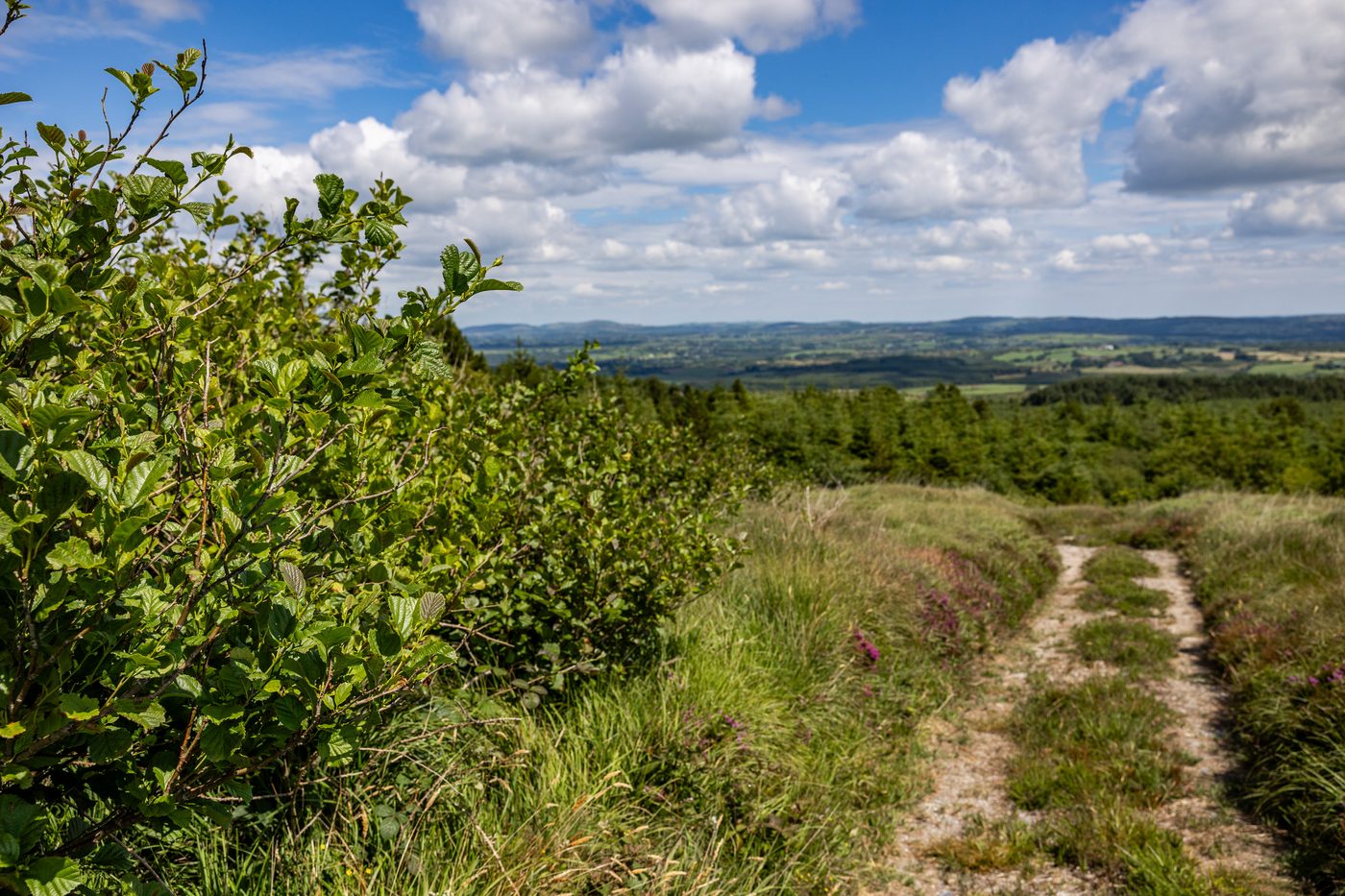
I listened to all of it. The details, the he said she said, the unreasonableness of the other side and the other side's legal team. The pace slowed. The view at the summit presented itself. We began, tentatively, to explore the early phase of the relationship: what the original goals of each party had been, what both parties needed now, and then gradually, what the other party's perspective was, and what the piece was that Pat was not hearing.
The environment, the listening and the too fast pace on the incline all forced Pat to slow down. As his pace slowed, space for proper thinking was created. Facilitation and insightful questions helped lift his thoughts out of his own frustration and hurt, and helped him listen. Listening, he could now hear both sides of the situation, and hear the frustrations and needs of the other side. I did not need to do much more. The solution to Pat's issue was within himself to solve, once he had the space to solve it.
Pat rang me later to update me. The solicitors had been stood down, following a phone call and then a meeting between the parties.

The same shape of day
Five sessions, one structure
A dispute, a growth plan, a start up, a board strategy and a peer circle. Different problems, the same shape of day: frame it, walk it, decide it, write it down.
See how we workPriorities
The conditions to recognise your own priorities
Tom approached me believing he was ready to take the next step for his business, but he found himself struggling to progress any of his growth initiatives.
The business was doing well and he had twice before set and achieved growth goals. Our work together was to review the business and assess different growth strategies. We took the conversation to the trails. Tom loves his business, and loves the interaction he has with his clients and his wider community.
The topic was growth, so I was looking forward to plenty of ideation and innovation, which the trails are perfect for. I listened to one idea, then the next, and the next. I took my role to be registering each idea and prompting its teasing out. Tom had done thorough homework, and while he could identify the opportunities, he could also identify shortcomings in many of the proposals. I was able to notice a pattern in the shortcomings. The proposals, all exciting and full of possibility, each required an investment or a change to the existing business, or to Tom's own lifestyle, that he was not prepared to undertake. So I began to listen for his why.
Why did he want to grow the business?
What was he prepared to change, rearrange, start doing, or stop doing?
Tom reflected on how the business was performing, the things that were working, the challenges. He talked about his enjoyment of being hands on in the business, and went on to recognise the enjoyment and satisfaction he was achieving through it, plus the very respectable bottom line he was generating.
As we continued along the trails, taking time to take in the views, Tom noticed it himself. He had the business he wanted and a lifestyle he was really happy with, and he did not currently want any of the next steps he had been presenting. The requirement to keep growing was what others expected, what others believed he should be doing.
The trails helped Tom feel and hear his own preferences. He got to choose his own next step, and for now that is securing what he has and enjoying it.
Starting up
Let's start a business
John and Joe were going to start a business. They had spoken of it so often. They had the big dream, but could they make it happen? We took that to the trails.
We knew from our pre project scoping that both were passionate about their service. They had been delivering a version of it as a for the love of it, not for profit initiative for over twelve months. The question was how to commercialise it.
At our first thinking station we put form to the what: what the business would do, and the practicalities of who would do what. Joe would take responsibility for marketing and social media, John would manage service delivery. The customer base would take time to grow, so targets with timeframes were agreed.
The why was next, and aside from the passion for the business, both were keen on the financial rewards it could create.
The tricky part came next. What would the founders stop doing to reach their dream? We discussed that walking through the wooded trail. Some current projects would need to take a back seat. Work on the new business would have to fit alongside current jobs, so weekends and family time could be encroached upon. Given the close relationship between the founders, these choices were difficult to ponder together, with the pressure not to let each other down. The hill trail helped. We took time alone: Joe descended through the main trail, John took the eastern loop. Twenty minutes later we regrouped at the workspace, compared notes, made decisions and gave commitments.
A volunteer board
A community group gets clarity on its strategy
The community organisation was providing a wide and varied range of services, but resources were beyond stretched, and the volunteer board members were routinely being called into operational issues. Strategy and structure existed, but was it being reflected on the ground?
The board members took their strategy review to the trails. The simple act of holding the meeting away from the community hub got them one step removed from the ever urgent operation of the centre. As the group moved through a review of the existing strategy and a comparison with lived delivery, our movement along the trails allowed them to get deep enough into analysis without getting stuck in one subject. Each discussion station held space for one subject, with reflection and one to one debate while strolling the following section of trail, then paused to make room for the next subject at the next station.
Before the decisions could be written up, a tough session back at the workspace waited for clarity on what could be stopped, to make room for the activities that had been identified as the current priority.
A peer circle
A problem solving and innovation circle
Colleagues from my Design Thinking classes gathered at WildFuture for a refresh on our subject and a peer review of what we had learned together.
As we moved through the thinking stations we each explained what still resonated most with us, and presented highlights of where our subject had brought value to our clients and communities.
A highlight of the day was testing the Action Learning Set format. Each participant relayed a personal project and some of the challenges arising, while the peers helped each other think it through with reflective questioning rather than direct advice. The setting, with all participants faced toward an inspiring hilltop view, created a unique thinking space.

Bring the live challenge
Every one of these started with someone saying they were stuck. Tell us what you are working on and who will be in the room, and we will recommend the format.